
Dr. Ali Shehda Barhoum
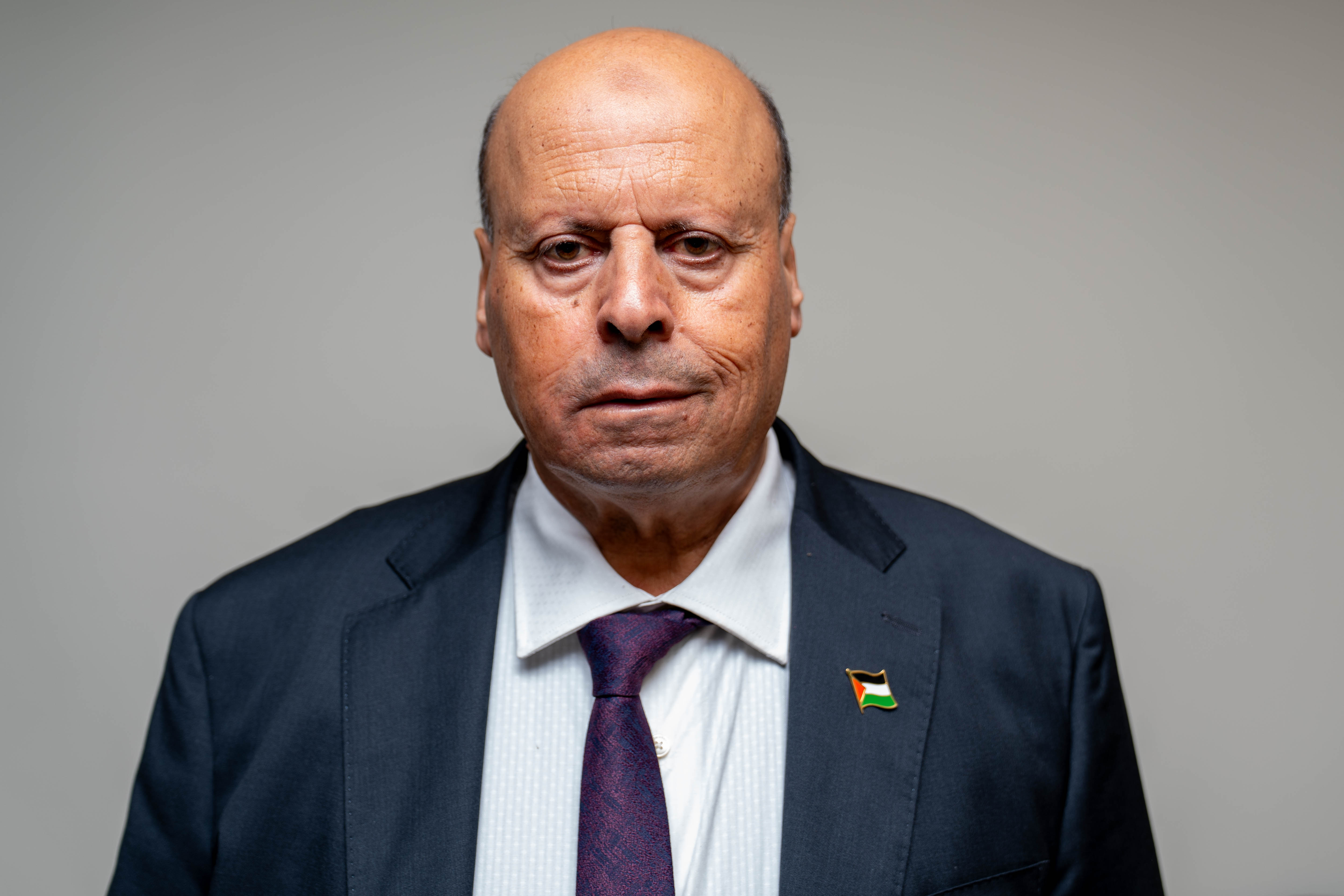
Dr. Ali Shehda Barhoum, Commissioner for Local Governance and Water at the National Committee for the Management of the Gaza Strip, is a seasoned professional from Gaza with extensive and accumulated experience in the fields of local governance and water sector management, with a particular focus on ensuring the continuity of essential municipal services. He has spent more than three decades working within Rafah Municipality, during which he held senior executive positions, most notably serving as Director General of the municipality.
At a later stage, Dr. Barhoum assumed high-level executive responsibilities within a Joint Services Council that provides support to a number of local authorities in the southern and central areas of the Gaza Strip. His responsibilities included overseeing core municipal services, strengthening operational coordination, and ensuring the continuity and functionality of critical infrastructure under complex operational conditions.
During his work in Gaza, Dr. Barhoum played an active role within the Solid Waste Management Group, where he served as the Coordinator for Solid and Medical Waste Management. This group operates as a technical working group under the Water, Sanitation and Hygiene (WASH) Cluster in the Gaza Strip. In parallel, he represented an international organization within this group, which enabled him to gain advanced expertise in waste management, multi-stakeholder coordination, and humanitarian response frameworks.
In addition to his extensive practical experience, Dr. Barhoum has completed postgraduate studies and specialized training programs in public sector management and service delivery, including earning a Master's degree in Public Health from Al-Quds University. He is recognized for his pragmatic and results-oriented approach, with a strong emphasis on sustaining municipal service delivery - particularly water and wastewater services - and on enhancing coordination among institutions to ensure effective and efficient response and operations